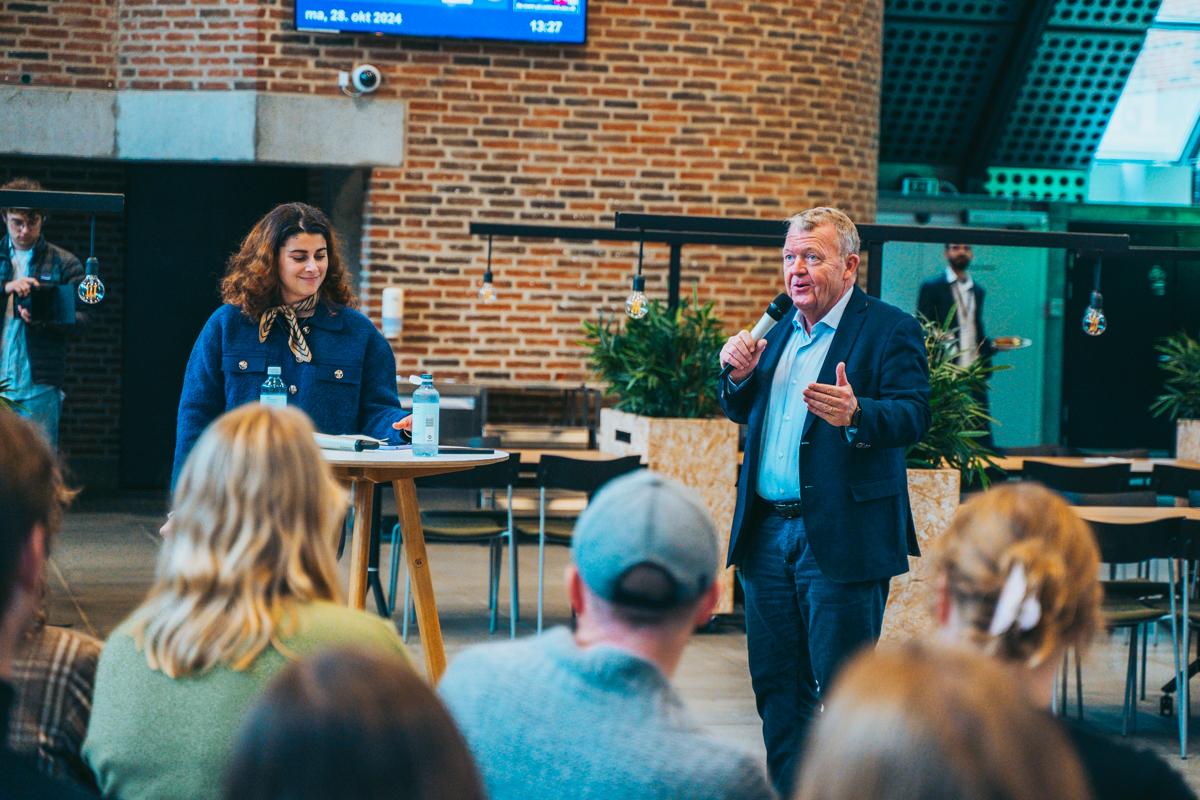
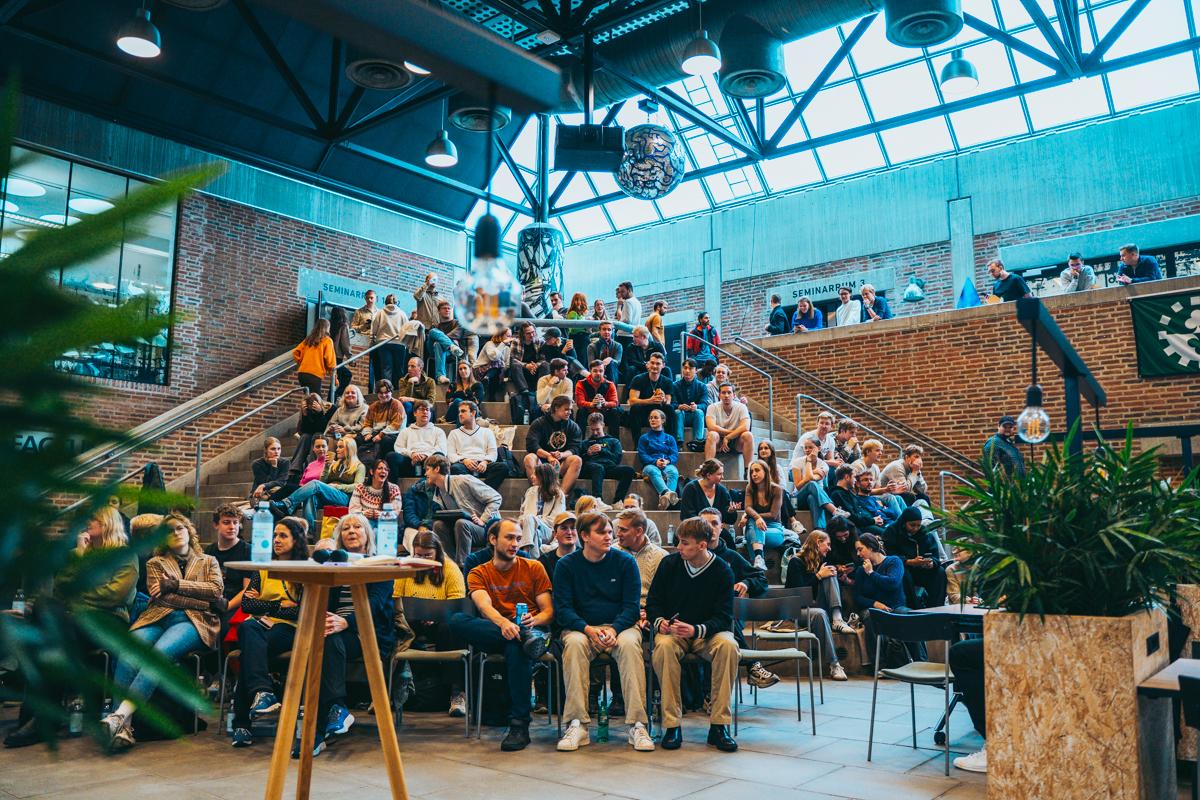
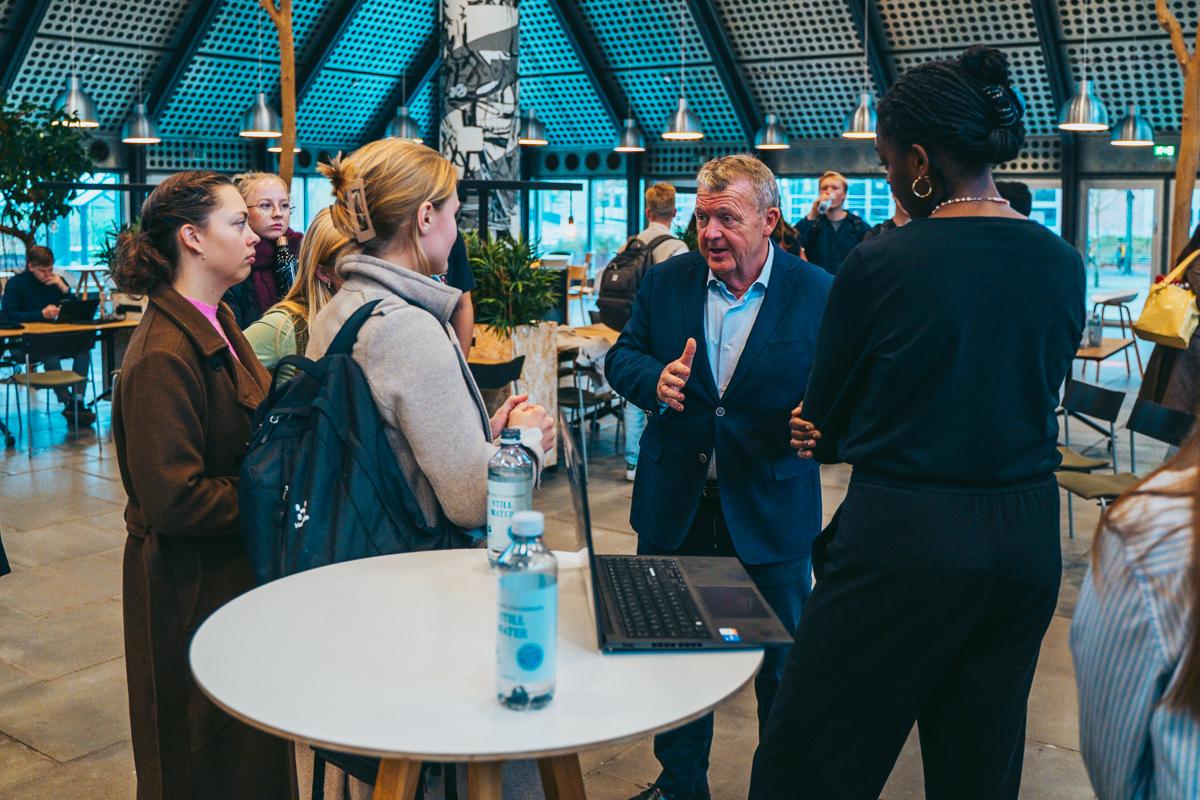
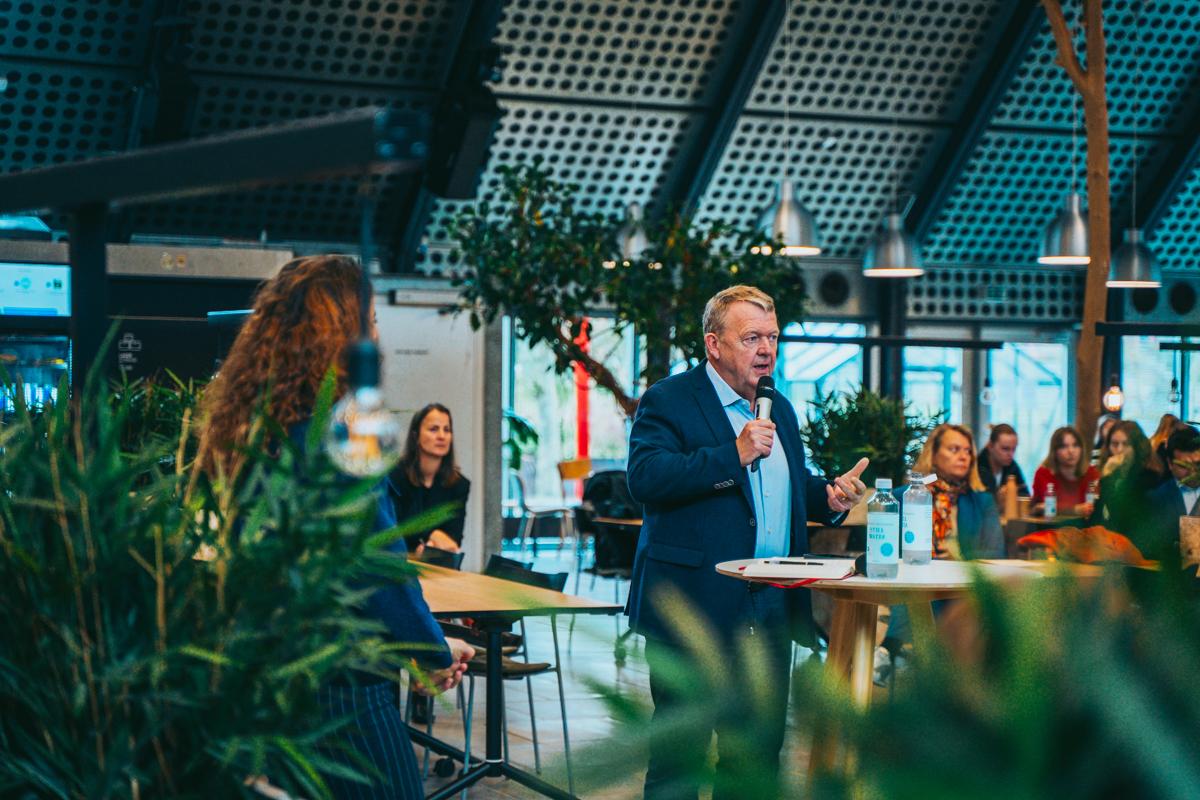
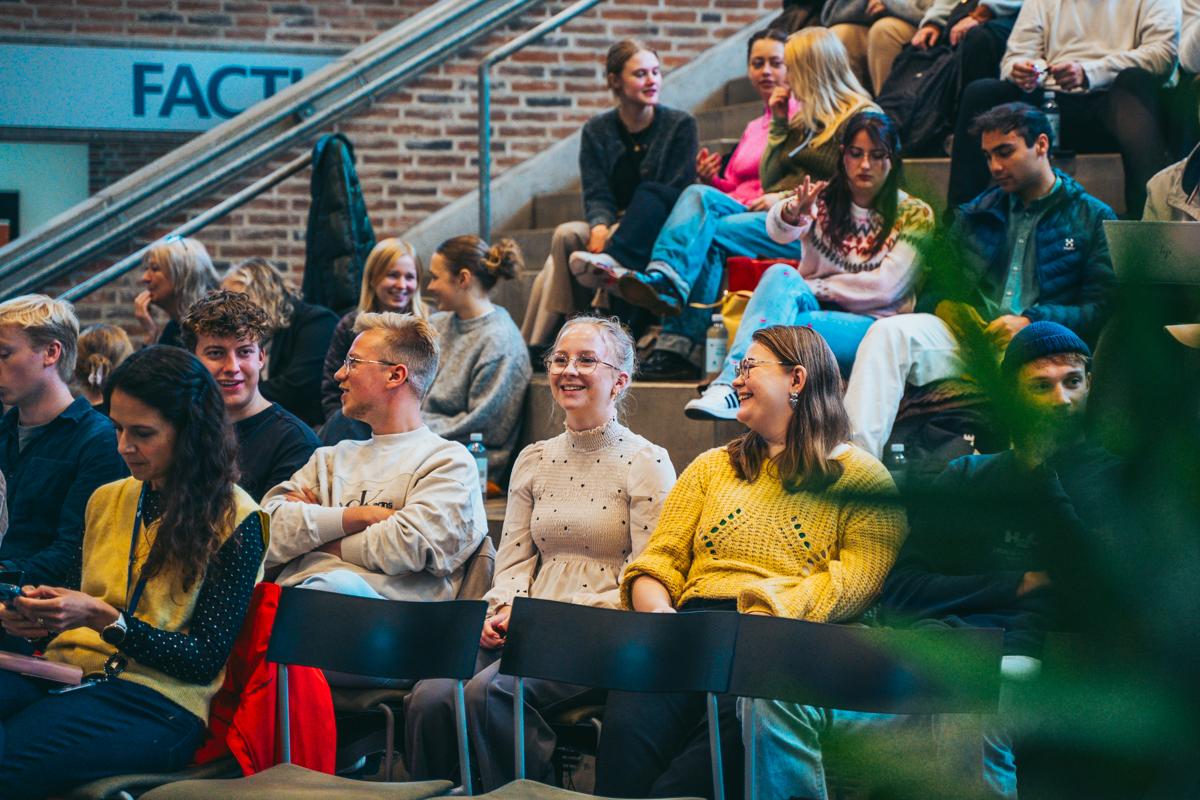
What did you take away from the debate with Lars Løkke Rasmussen?
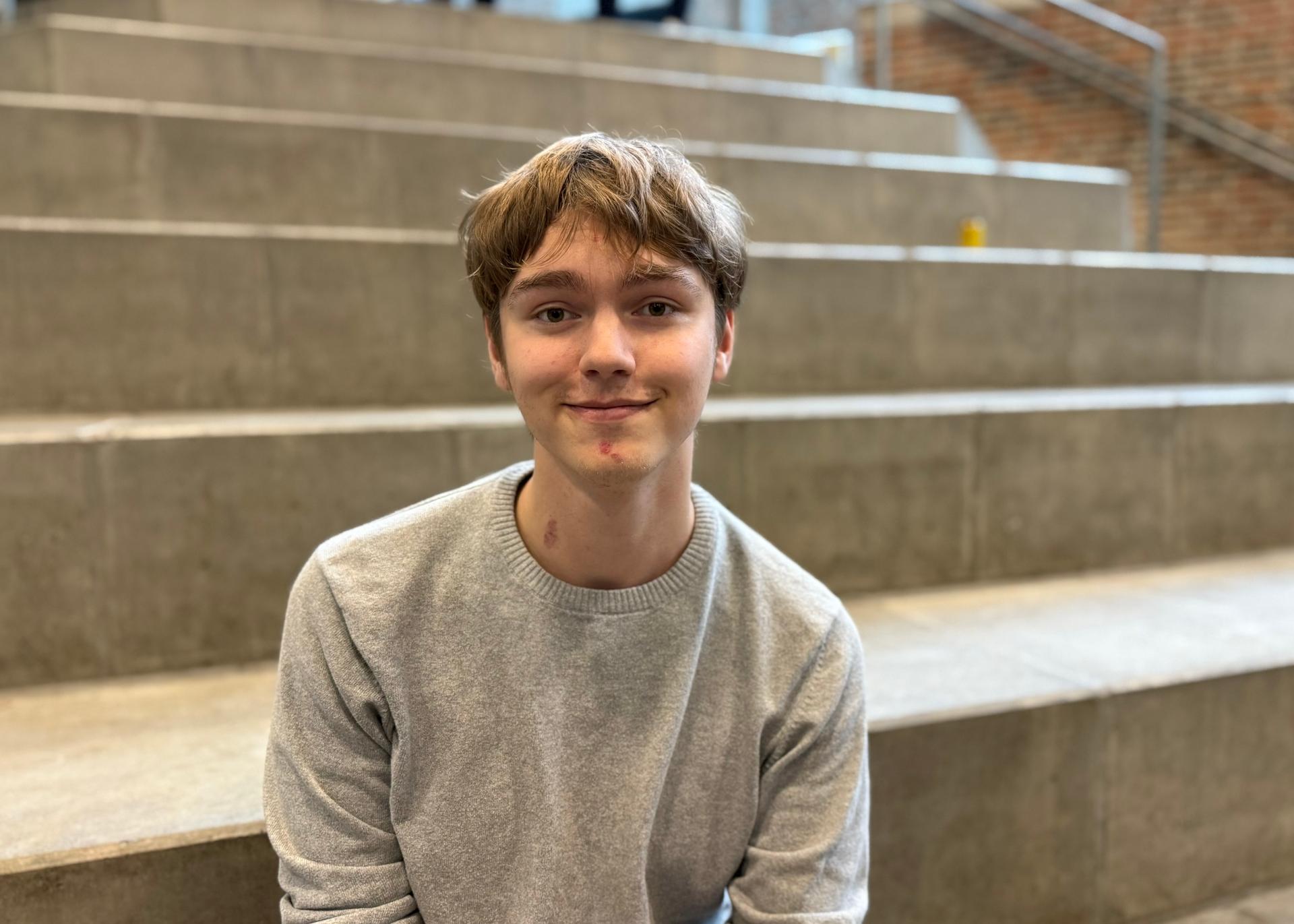
Tobias: Personally, I don't think we heard him say anything that he hasn't presented before. I think it was interesting to ask Lars Løkke about the elimination of the 10th grade, because it’s very current. Of course, we must listen when politicians at the top speak, but I don't think he answered my question other than to day it’s about the economy.
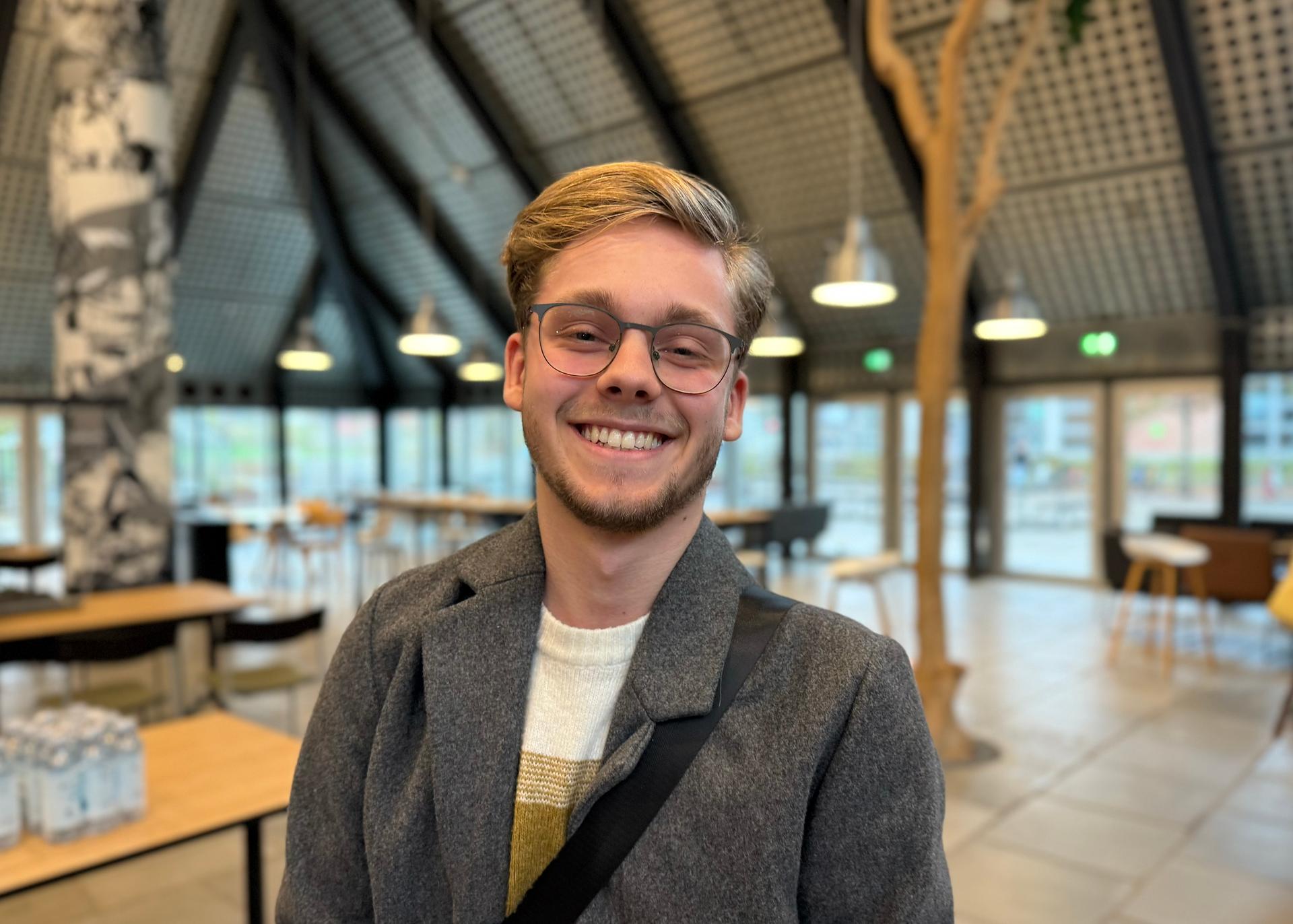
Lukas: I think there were many good questions from the other students. Unfortunately, I don’t believe that Lars Løkke was able to answer them. His answers weren’t related to the questions. For example, it doesn’t make sense that he wants to keep doors open and at the same time close one by eliminating the 10th grade.
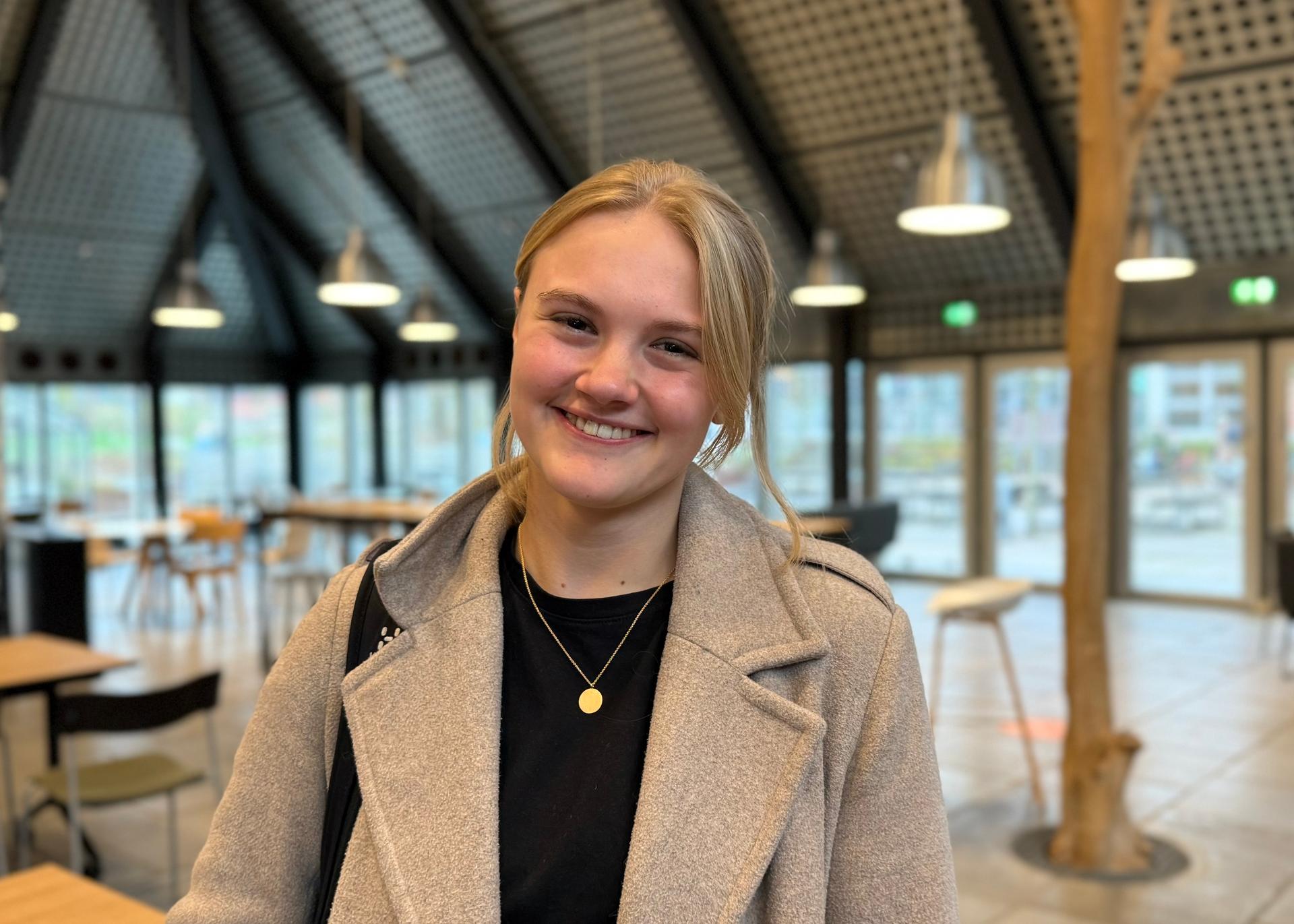
Caroline: The main focus of the debate was on foreign policy. In my opinion, there was a worrying lack of knowledge about how our health science programmes are structured. This is something that I think the individual universities should continue to work on. For my time as a student, this has an impact because we will have more study places as early as next year. Some of my fellow students, who should be in the group rooms, are already sitting in the corridors because we don’t have room for them in the lecture halls. So I’m worried about the number of teachers, and the general capacity and quality of the programmes.
What did you think of his answers to the questions about the new educational reform?
Tobias: In relation to the reform, I think it’s a very mixed bag. I think it's fine that some programmes are getting shorter, but at the same time, I think that the politicians are lumping everyone together. It’s an intervention that can feel like control over how we students should educate ourselves, which is a shame. However, I like the idea of continuous opportunities to upskill.
Lukas: Personally, I have more interest in Denmark's foreign policy, which I think was lacking a bit of criticism in relation to Ukraine and Israel. The main focus was the American election.
Caroline: I asked about the capacity and quality of the health profession programmes, but from his answer, I think it was clear that he deals with foreign policy. The idea of flexible programmes makes good sense, so that we are educated to become something other than doctors, but it worries me that Lars Løkke could not answer whether there will actually be a shortage of doctors in 20 years with the current number of students – and now we are about to take in even more. So I wonder whether we will be training doctors for unemployment. To me, it sounded like one of the plans with the increased intake is to get more students in the medical industry, like Novo Nordisk, but then I think that politicians should work more on programmes that specialize in this.
Why was it relevant for you to participate in the debate and what did you think of his answers?
Tobias: I think that his answer to my question, about doing away with the 10th grade, addressed the topic broadly. If I, as a student, were asked to write an assignment based on the question I asked, Lars Løkke's answer to the assignment would not really be a discussion. By that I mean that his answer to my question was very short and was also about many other things.
Lukas: The war in Ukraine is really important to talk about, because it’s something that can also affect all of us, even if we don’t live in Ukraine.
Caroline: In my question to Lars Løkke, I mentioned that there will be 250 new students and that we have a lecture hall with 218 seats. In addition, we also study with MedIS which is about 100 extra students. We end up being around 350 students, and we are already struggling with capacity in our brand new lecture halls.